Knowledge Piece
What IFRS-Trained Means in Practice for a US Company Using QuickBooks
IFRS-trained. What does that actually mean for your US startup?
Read Time
Approximately 8–10 minutes
Applicable To
US Founders
Spoiler Alert
You Need to Care About IFRS
Introduction
"IFRS-trained" appears in almost every Accrual Talent candidate profile.
For most US founders reading it for the first time, it lands somewhere between impressive and meaningless. You're using QuickBooks. Your bookkeeper reconciles your bank accounts. Do you really need to care what IFRS is? The answer — perhaps surprisingly — is yes.
What IFRS Actually Is
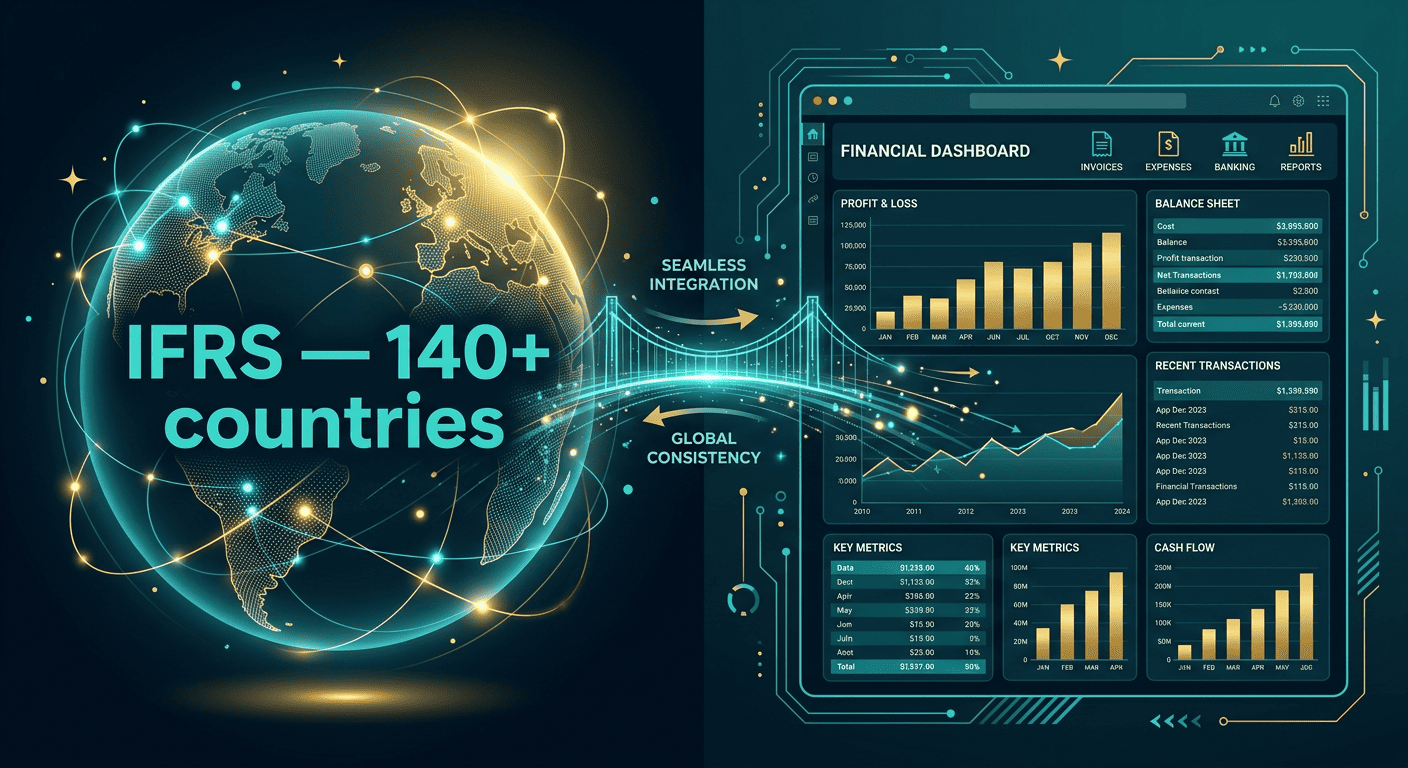
IFRS stands for International Financial Reporting Standards — the global accounting framework used in over 140 countries worldwide, including virtually all of Europe, Australia, Canada, and most of Asia and Africa. South African professionals are trained primarily in IFRS throughout their qualification period and careers.
What an IFRS-Trained Professional Actually Knows
IFRS is a principles-based framework — it provides conceptual principles and requires the professional to apply judgment to determine how those principles apply to a specific transaction. US GAAP, by contrast, is more rules-based. This means IFRS-trained professionals develop deeper technical judgment earlier in their careers.
For a US startup, this manifests concretely: Revenue recognition decisions for multi-year contracts, lease accounting, consolidated reporting, and investor relations with international VCs — all benefit from IFRS-trained thinking.
What This Looks Like on QuickBooks
Your IFRS-trained SA controller's first 30 days might look like this:
- Week 1: Reviews chart of accounts, identifies three structural issues — expenses that should be capitalised, revenue recognised at the wrong point, intercompany transactions not properly eliminated.
- Week 2: Builds a close checklist and monthly reporting pack. Your investors receive a proper board pack with P&L, balance sheet, cash flow, variance analysis, and written commentary.
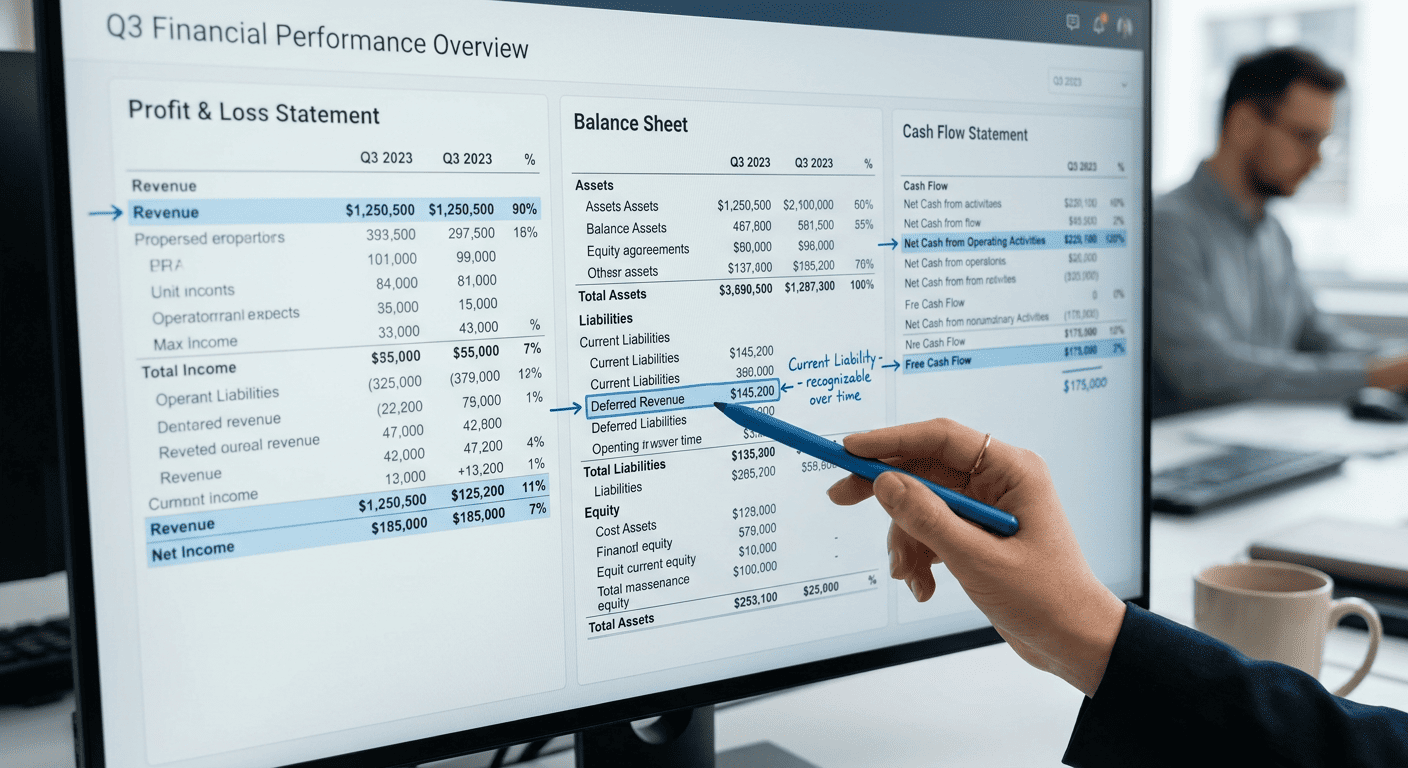
- Week 3: Identifies that your SaaS subscription revenue is being recognised incorrectly — books the correction, deferred revenue appears on your balance sheet for the first time.
- Week 4: Sets up a budget vs. actuals model connected to QuickBooks. You can see, for the first time, exactly where you're overrunning and why.
The platform is QuickBooks. The mindset is IFRS-trained. The output is a finance function that works.
Does IFRS Training Mean They Don't Know US GAAP?
No — and this is a common misconception. Most CA(SA)-qualified professionals develop meaningful US GAAP exposure during their training. The two frameworks share substantial common ground. The differences are real but learnable — particularly when the company has a US-based external auditor or CPA firm who can advise on specific treatments.
What the IFRS-trained professional brings is a strong conceptual foundation, a habit of judgment-based reasoning, and breadth of exposure that often makes learning US GAAP specifics relatively straightforward.
How We Manage This In Recruitment
Every Accrual Talent professional is screened for both technical competence and US company readiness.
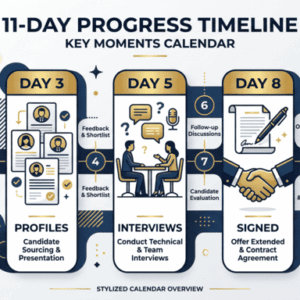
We Placed a CA(SA)-Qualified Controller
for a Series B SaaS Company in 11 Days. Here's How